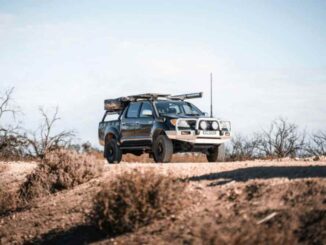
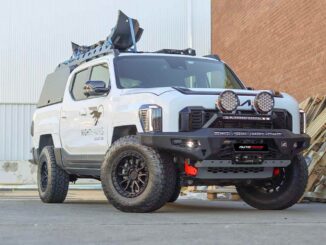
Off-Road Wheels – A ute can be many things to different people. During the week it might be carrying tools and equipment, while on the weekend it could be heading down a gravel road, tackling a muddy track or towing a camper into the bush.
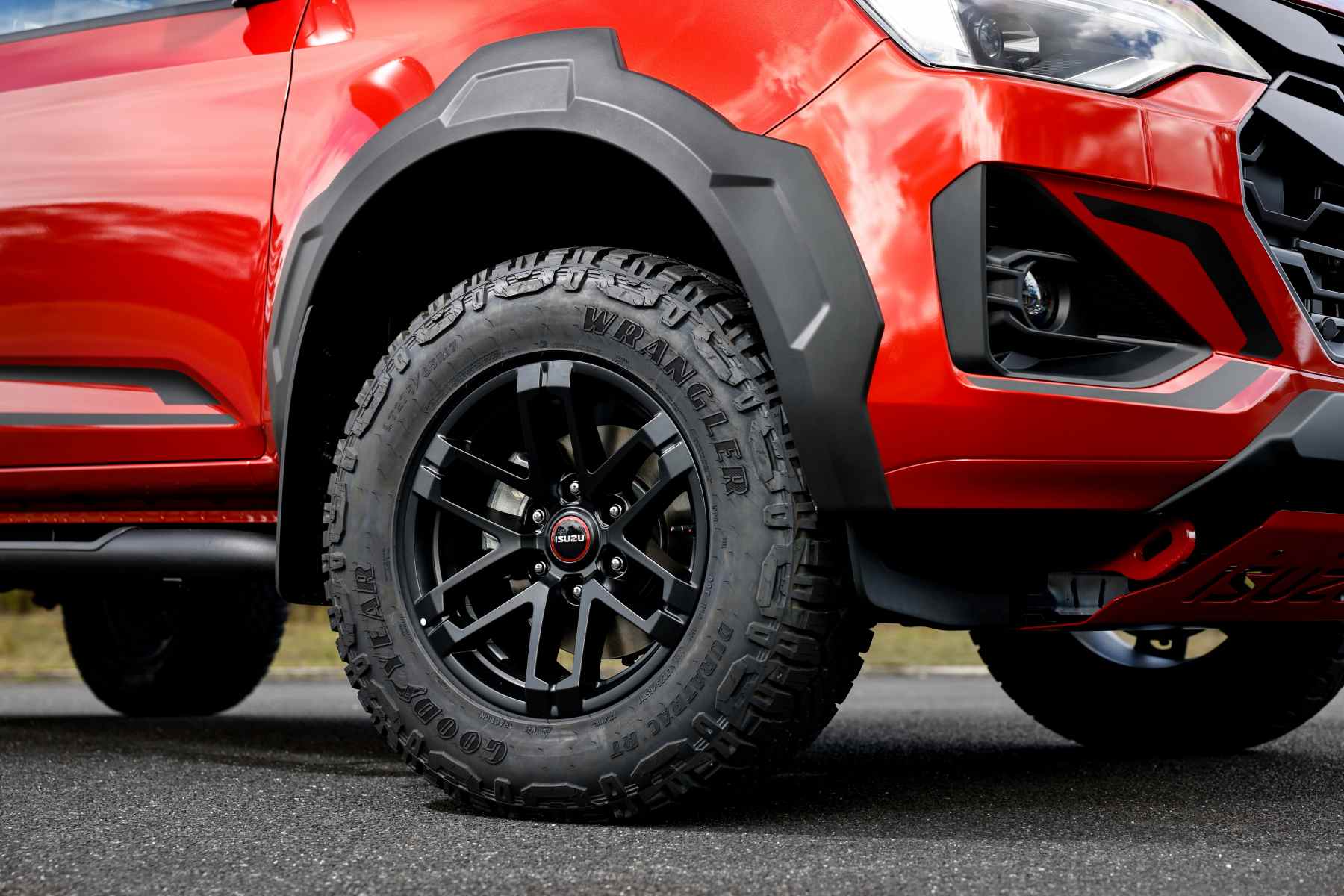
That versatility is one of the reasons utes remain so popular, but it also means that the right wheel and tyre setup needs to suit the way the vehicle is actually used.
For owners looking to give their vehicle a tougher appearance while improving its suitability for off-road driving, custom wheels can make a noticeable difference. There are plenty of designs, sizes, finishes and construction methods available, so it is worth taking the time to compare the options and check here for a broader range of custom wheel choices.
Why Off Road Wheels Matter
It is easy to think of wheels as primarily a styling upgrade. While appearance is certainly part of the appeal, wheels have an important role in how a ute behaves away from sealed roads.
Off-road driving exposes wheels to impacts and loads that are less common during normal highway use. Rocks, potholes, ruts and uneven surfaces can all place additional stress on the wheel and tyre. A suitable wheel needs to be strong enough for the intended use while also working correctly with the vehicle’s suspension, brakes and tyres.
The wheel is also part of the overall tyre package. Changing wheel diameter or width can affect the tyre sizes available, sidewall height and the amount of protection the tyre provides against rough terrain.
This is why choosing wheels should be about more than finding a design that looks good in a showroom.
Steel or Alloy: Which Is Better?
One of the first decisions for a ute owner is whether to choose steel or alloy wheels.
Steel Wheels
Steel wheels have traditionally been popular among owners who prioritise durability and practicality. They are generally straightforward in design and can be a sensible choice for vehicles that spend considerable time on rough tracks.
One advantage is that steel wheels can be relatively inexpensive to replace if they suffer serious damage. They also have a reputation for being tough, which makes them attractive for work utes and vehicles regularly exposed to harsh conditions.
The downside is weight. Steel wheels can add unsprung mass, which may influence ride and handling.
Alloy Wheels
Alloy wheels offer a much wider range of designs and finishes. They can also provide a useful balance between strength and weight when a suitable model is selected.
For a touring or recreational ute, alloy wheels can provide the appearance many owners want without automatically sacrificing practicality. Modern manufacturing methods also mean buyers can choose from cast, flow-formed and forged designs depending on their budget and intended use.
The important point is to select a wheel based on its specifications rather than assuming that every alloy wheel is suitable for serious off-road work.
Wheel Size Is More Than a Styling Choice
Large wheels can give a ute a more aggressive stance, but bigger is not always better when the vehicle regularly leaves the bitumen.
A smaller-diameter wheel can allow the use of a tyre with a taller sidewall. That extra sidewall can be useful on rough terrain because it provides additional cushioning between the wheel and the ground.
For example, an owner building a ute for touring may prefer a package that prioritises tyre sidewall and durability rather than simply choosing the largest wheel that will physically fit.
There is also the question of brake clearance. The wheel needs to clear the vehicle’s brake components, while its width and offset must work with the suspension and bodywork.
Understanding Offset and Backspacing
Wheel offset is one of those specifications that can easily be overlooked until problems appear.
Offset describes the position of the wheel’s mounting surface relative to its centreline. Depending on the specification, changing offset can move the wheel further inward or outward.
A more aggressive offset can create a wider stance, but it can also increase the possibility of tyre rubbing against suspension components, guards or other parts of the vehicle.
Backspacing is another measurement that becomes important when selecting aftermarket wheels. It helps determine how much space exists between the wheel’s mounting face and its inner edge.
Rather than selecting offset based purely on appearance, ute owners should consider the entire combination of wheel, tyre, suspension and vehicle configuration.
Matching off road Wheels to the Job
There is no single wheel setup that is perfect for every ute.
A vehicle used primarily for work may need a different approach from a weekend touring rig. A touring ute carrying camping equipment, recovery gear and additional accessories needs to account for the extra weight. A vehicle used for recreational off-roading may place greater emphasis on tyre sidewall, clearance and traction.
Owners should think about where the ute spends most of its time.
For Work Utes
Strength, load capacity and easy maintenance should generally be high on the list. A simple, durable wheel design can make more sense than a complicated finish that is difficult to maintain.
For Touring Utes
Touring vehicles need a balanced setup. The wheels need to cope with long distances and varying road surfaces, while the tyres need to provide dependable performance on sealed roads, gravel and tracks.
For Serious Off-Road Builds
Vehicles built specifically for challenging terrain may require more consideration around wheel diameter, tyre size, offset and clearance. Suspension modifications can also change what wheel and tyre combinations are practical.
This is where professional advice can be particularly useful.
Don’t Forget the Tyres on Off-Road Wheels
A great set of wheels cannot compensate for the wrong tyres.
For mixed driving, all-terrain tyres are often a popular compromise because they provide reasonable road manners while offering more capability on gravel, dirt and tracks. Owners who spend more time in mud or particularly rough terrain may look towards more specialised tyre designs.
The wheel and tyre should be considered as one package. A wheel that looks excellent on its own may not provide the best result if it forces the owner into a tyre size that does not suit the vehicle’s intended use.
Tyre load rating is another important consideration, particularly for utes that regularly carry heavy loads or tow trailers.
Clearance and Suspension Modifications
Changing wheels becomes even more important when a ute has been modified.
A suspension lift, wider tyres or other modifications can change the available clearance. A wheel and tyre combination that works perfectly on a standard vehicle may create rubbing problems after other components have been changed.
Before purchasing, owners should check clearance at full steering lock and through the suspension’s range of movement. It is also important to consider whether mud and debris could become trapped around the tyre or suspension components during off-road driving.
The goal should be a setup that works reliably in real conditions, not simply one that looks impressive when parked.
Choosing a Finish That Can Handle Real Use
Off-road vehicles tend to get dirty. Wheels can be exposed to mud, sand, dust, stones and water, so the finish is worth considering.
Gloss black, satin finishes, machined faces and other styles can dramatically change the appearance of a ute. However, owners who regularly drive through mud and dirt may want a design that is relatively easy to clean.
A simple wheel with fewer intricate surfaces can sometimes be more practical for a vehicle that spends much of its life on bush tracks.
Think About the Spare Wheel
It is easy to focus on the four wheels currently fitted to the ute and forget about the spare.
For touring and remote travel, having a properly matched spare can be important. If the vehicle is running a different wheel and tyre package from standard, the spare should be considered as part of the upgrade.
A full-size spare can be particularly useful for remote travel because it keeps the vehicle’s handling and tyre diameter consistent if a damaged tyre needs to be replaced.
Check the Legal and Practical Requirements of Off-Road Wheels
Before fitting aftermarket wheels, owners should also check the requirements that apply to their vehicle and location.
Wheel and tyre changes can affect track width, clearance, load capacity and other aspects of the vehicle. Depending on the modification, local regulations may place limits on what can be fitted.
It is also worth confirming the wheel’s load rating, bolt pattern, centre bore and other specifications before purchase. Getting these details right at the beginning can prevent expensive problems later.
The Best Setup Is the One That Suits Your Ute
There is no universal answer when it comes to choosing off-road wheels. The ideal setup depends on whether the ute is primarily a work vehicle, daily driver, touring rig or dedicated off-road machine.
Start by considering how the vehicle is actually used. Then look at wheel construction, diameter, width, offset, load rating and compatibility with the tyres you want to run.
A strong-looking wheel may transform the appearance of a ute, but the best upgrades go further than appearance. When the wheel, tyre and suspension combination is properly matched, the result can be a ute that looks purposeful while remaining practical when the road ends.
For most owners, that balance is the real goal: a wheel package that looks good in the driveway but is equally at home on the highway, a gravel road or a remote track.