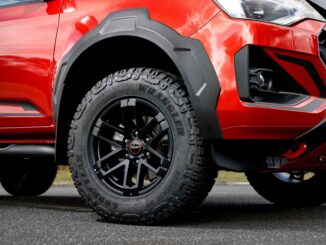
Wheel and Tyre Package – A Ute that earns its keep is a different proposition from one that spends its life on the school run. It carries tools, tows trailers, and gets driven loaded on rough roads, and the wheels and tyres underneath take all of that punishment.
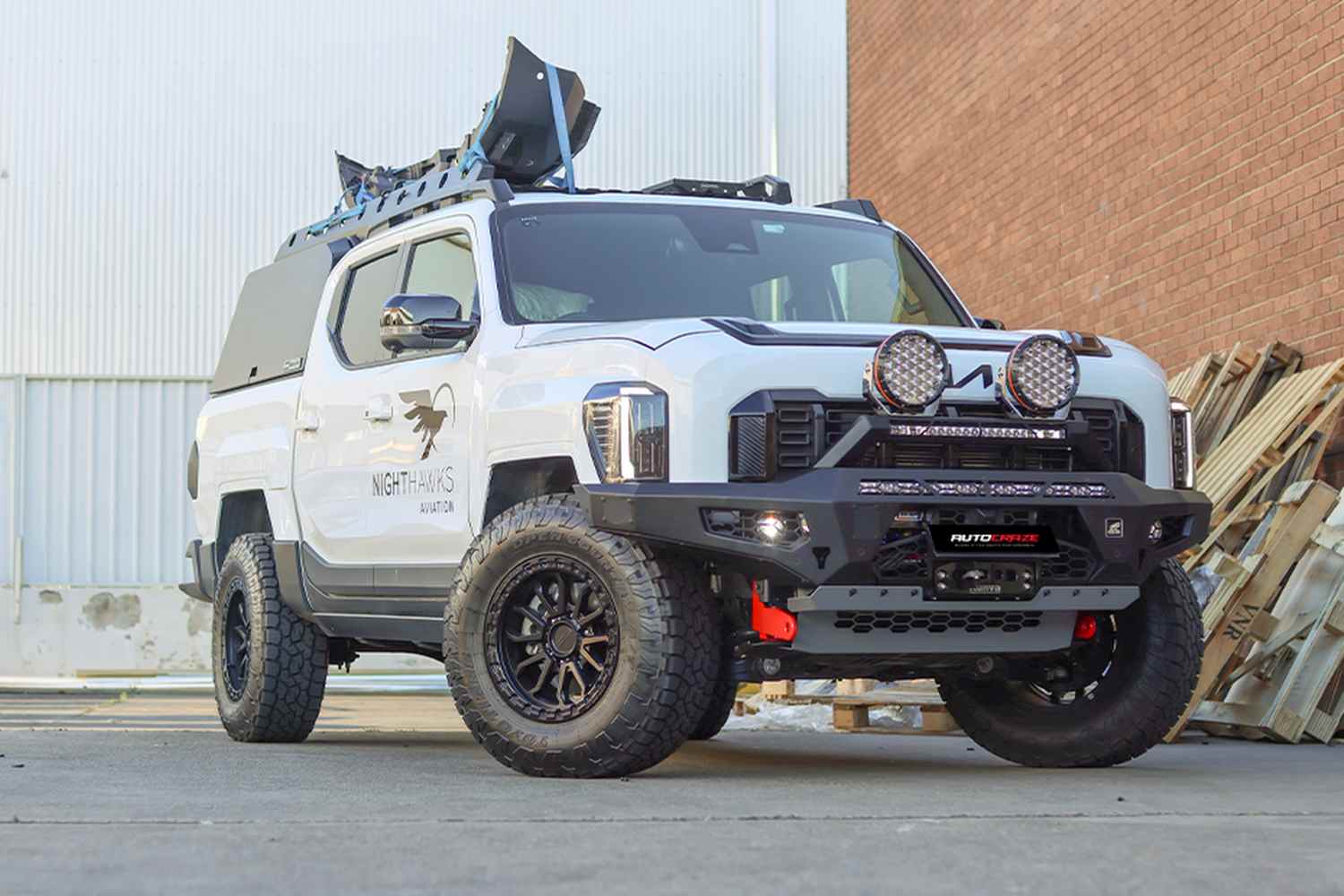
Choosing a new set purely on looks is a common mistake. For a working ute, the numbers on the sidewall matter far more than the finish on the wheel, and a few minutes spent understanding them can save a lot of money and trouble.
Light Truck Tyres and Why the Rating Matters
Most utes sit in a grey area between passenger vehicles and light trucks, and the tyres they need reflect that. Many are fitted with light truck tyres, which are built with stronger casings and are designed to carry heavier loads at higher pressures than a standard passenger tyre. The markings on the sidewall tell the story, including the size, the load index, and the speed rating. A full explanation of how to read them is available on Wikipedia, and it is worth reading before shopping.
The load index is the figure that deserves the most attention. It indicates the maximum weight each tyre can carry, and for a ute that regularly runs near its payload limit, a tyre with an inadequate rating is a safety risk. Under-rated tyres can overheat on long, hot highway runs, wear unevenly, and fail without much warning. A good rule is to choose a tyre that meets or exceeds the manufacturer’s original specification, and to go higher if the vehicle regularly carries heavy loads or tows.
Tyre Size, Speedometer Error, and Gearing
Fitting larger tyres is a popular upgrade, but it has side effects that are easy to overlook. A taller tyre effectively changes the final drive ratio. Which means the engine turns slightly slower at any given road speed. That can reduce acceleration and make a loaded ute feel sluggish on hills. And it can increase fuel use because the engine works harder to turn a larger, heavier wheel and tyre combination.
The speedometer is affected as well. Because the vehicle covers more ground per wheel rotation, the speedometer reads lower than the real speed. Which could lead to unintended speeding. This is a well-known side effect of changing tyre diameter. Some owners have the speedometer recalibrated to compensate. Stability and traction systems may also respond differently when tyre dimensions stray too far from the original. And the vehicle must still meet the rules for modification in the owner’s state. Staying within a small tolerance of the original overall diameter avoids most of these problems.
What a Matched Wheel and Tyre Package Takes Off Your Plate
Buying wheels and tyres separately means checking compatibility at every step:
- bolt pattern,
- centre bore,
- offset,
- load rating,
- tyre width against rim width, and
- clearance around brakes and suspension.
Many ute owners find it easier to start with a complete set of wheel and tyre packages that has already been matched for the vehicle. Since the supplier has done that checking and the components are designed to work together.
A good package arrives mounted, balanced, and ready to fit, which removes a source of errors and saves a trip to a tyre shop. It is worth asking what is included before buying. Questions to ask include whether tyre pressure sensors are catered for. Whether the wheel nuts or lug hardware are supplied. What warranty applies to both wheels and tyres, and whether the spare is covered. A matching spare matters more than many owners realise. Because a mismatched spare can upset the handling of the vehicle and, on a four-wheel drive, strain the drivetrain.
Loaded Reality: Pressures, Rotation, and Maintenance
Once the new set is on, how it is looked after determines how long it lasts. Tyre pressure should be adjusted to suit the load, with higher pressures for heavy loads and towing and lower ones for unloaded driving. The pressure placard in the door jamb or the owner’s manual gives the starting point, and a reliable gauge is a cheap and valuable tool.
Regular rotation keeps wear even, which is particularly important for four-wheel drives. On a 4WD, tyres with noticeably different amounts of wear can have slightly different diameters. And that mismatch puts stress on the transfer case and differentials. Replacing tyres in full sets, or at least in axle pairs of the same brand and model, protects the drivetrain.
Wheel nuts should be re-torqued after the first few hundred kilometres, and again after any trip on rough roads. Any change affecting size, weight, or load capacity. Should be checked against the rules published through the federal government’s transport portal at infrastructure.gov.au,. Which covers vehicle standards and the national code for modifications.
For a ute that works for a living, a well-chosen package is not an expense but an investment. Tyres that match the load, wheels that suit the vehicle. And sensible maintenance keep it safe, productive, and ready for the next job.