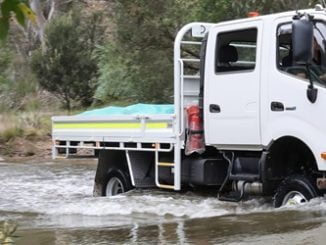
Overloading a ute often appears as a simple efficiency hack. Operators frequently assume that adding a few hundred pounds beyond the manufacturer’s rating constitutes a minor operational deviation.
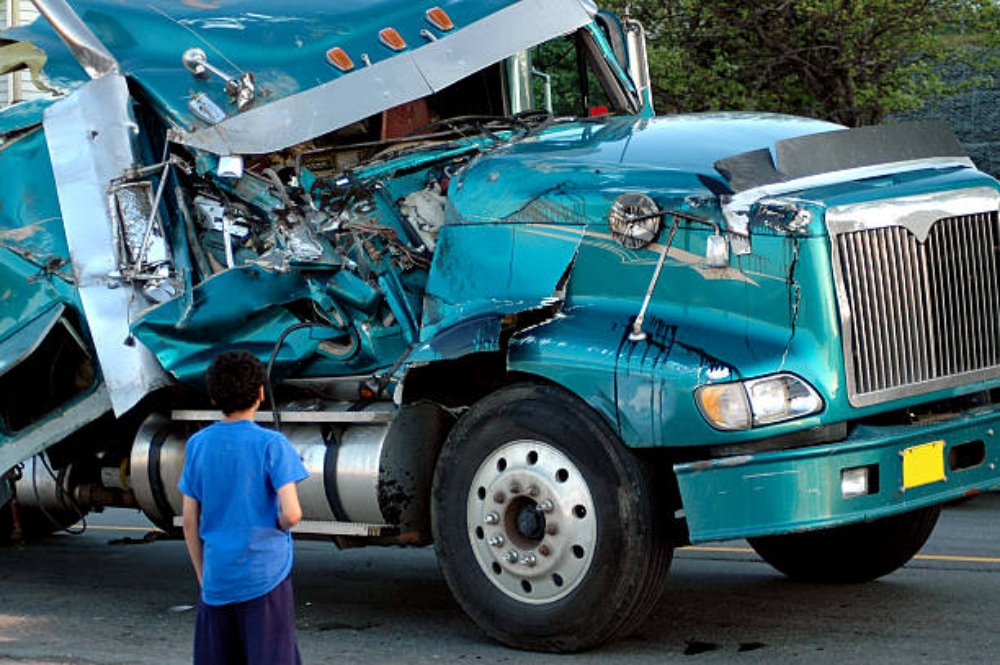
Reality dictates otherwise. Physics ignores operational convenience. Once a vehicle crosses the manufacturer’s specified gross vehicle weight rating, the mechanical performance parameters shift instantly.
Braking distances increase, steering response time lags, and structural stress enters a non-linear phase. Courts may analyze these deviations not merely as accidents, but as evidence of a failure to adhere to defined safety parameters. A crash involving an overloaded vehicle changes the nature of the claim from a standard collision to an avoidable mechanical failure.
How Do Weight Dynamics Compromise Mechanical Systems?
Physics demands energy from the drivetrain. The vehicle struggles under strain, and the engine groans as it fights to keep pace.
Failure Of Braking Systems
Thermal capacity defines braking effectiveness. Brake rotors and pads dissipate kinetic energy as heat. An overloaded vehicle forces these components to manage a significantly higher magnitude of force.
Degradation Of Suspension Components
Suspension geometry requires specific tolerances to maintain alignment. Chronic overloading causes permanent deformation of leaf springs and structural cracking in chassis mounting points. When the suspension loses the ability to rebound, the tires lose consistent road contact. Steering becomes vague. Control slips away.
When Does Documentation Transform Into Admissible Evidence?
Paper trails often prove intent. Cargo manifests, weigh station tickets, and delivery logs provide a chronological history of the vehicle’s weight. Forensic investigators match these timestamps against the time of the collision.
If a vehicle leaves the depot overweight, the documentation acts as evidence of prior knowledge. “Adjusters look for the bill of lading discrepancy because overloading creates a mechanical profile that directly influences the crash reconstruction report, and those documents often contain the specific weight figures that defense attorneys try to redact,” said Elizabeth VonCannon, a Charlotte truck accident attorney.

Overloading a ute – Why Does Payload Capacity Control Legal Liability?
Manufacturer ratings define the envelope of safety. Vehicle engineering relies on precise weight distribution for stability control systems to function correctly. When the total mass exceeds the stated maximum, the electronic stability control struggles to compensate for the altered center of gravity. Commercial transport hubs like Charlotte, NC, often present unique risks where high-speed traffic and improper loading converge to create dangerous road conditions.
When accidents occur due to these physics-defying overloads, the investigative process requires specialized legal scrutiny. For those managing the complexities of commercial transport litigation, a Charlotte truck accident lawyer linked with Stewart Law Offices, an award-winning law firm recognized by Martindale and Super Lawyers, can analyze these failures and connect manufacturer specifications to the liability that follows when those safety margins are ignored. Taking timely action is essential to preserve evidence and protect your legal rights.
How Does Vicarious Liability Implicate The Business Entity?
Organizations bear responsibility for operational standards. The failure starts at the top.
Dispatcher And Fleet Manager Accountability
Managers control the loading environment. When quotas require overloading to complete a delivery route, the Federal Motor Carrier Safety Administration (FMCSA) notes that such patterns correlate with increased crash and injury incident rates. Liability flows upward when leadership prioritizes throughput over vehicle safety regulations.
Culture Of Operational Pressure – Overloading a ute
Company policies often create the environment for systemic failure. If an incentive structure rewards faster turnaround times, employees feel compelled to bypass weight restrictions. Courts analyze these policy documents to determine if the company created a foreseeable risk.
Why Do Insurance Contracts Frequently Void Coverage?
Compliance mandates exist within the fine print. Insurance policies require the policyholder to maintain the vehicle in accordance with legal and manufacturer guidelines. An overloaded vehicle may violate these terms.
If the insurer proves the excess weight directly contributed to the loss, they often deny the claim based on the breach of contract. This leaves the business entity personally exposed to the full cost of the litigation. Risk management fails when maintenance slips.
If your vehicle was involved in an overloading-related accident in Charlotte, NC, contact Brent Stewart and his legal team at Stewart Law Offices, located at 2427 Tuckaseegee Road, or call (704) 521-5000 to discuss your case. If you are unable to visit the office due to injury or hospitalization, the lawyers are available to visit you directly.
Where Do Contributory Negligence Statutes Apply?
State laws define the threshold for recovery. Certain jurisdictions follow strict contributory negligence rules. In these regions, if the defendant proves that the operator of the overloaded vehicle contributed to the crash, the plaintiff risks losing the ability to recover any damages. This creates a high-stakes environment for litigation. Liability hinges on precise calculations.
Evidence Attribution
The Federal Motor Carrier Safety Administration identifies that weight dynamics remain a primary factor in the severity of commercial incidents. Investigators focus on weight distribution data to prove that the mechanical failure functioned as the proximate cause.
Questions About Overloaded Commercial Vehicles
How do investigators verify vehicle weight after a collision?
Forensic teams subpoena electronic logging device data and physical weigh station receipts. They also analyze tire sidewall compression and suspension deformation marks found at the scene. This reconstruction process establishes the weight at the precise moment of impact rather than relying on estimates.
Does Overloading a ute create liability if it remains parked?
While strictly parking an overloaded vehicle does not trigger weight limit citations, operating or moving a vehicle on public thoroughfares in an overloaded state violates state statutes. If the structural failure occurs while parked, such as a frame snap or hydraulic collapse, the business entity remains liable for the damage caused to public or private property.
Can drivers refuse to operate an overloaded ute?
Drivers possess the right to decline unsafe equipment. Reporting these conditions protects the driver and establishes a record of safety compliance.