
Roof Rack – Extra carrying capacity can shift how a vehicle is used day to day, from weekend getaways to job site logistics. Practicality becomes the real focus once storage inside the cabin starts to feel limiting.
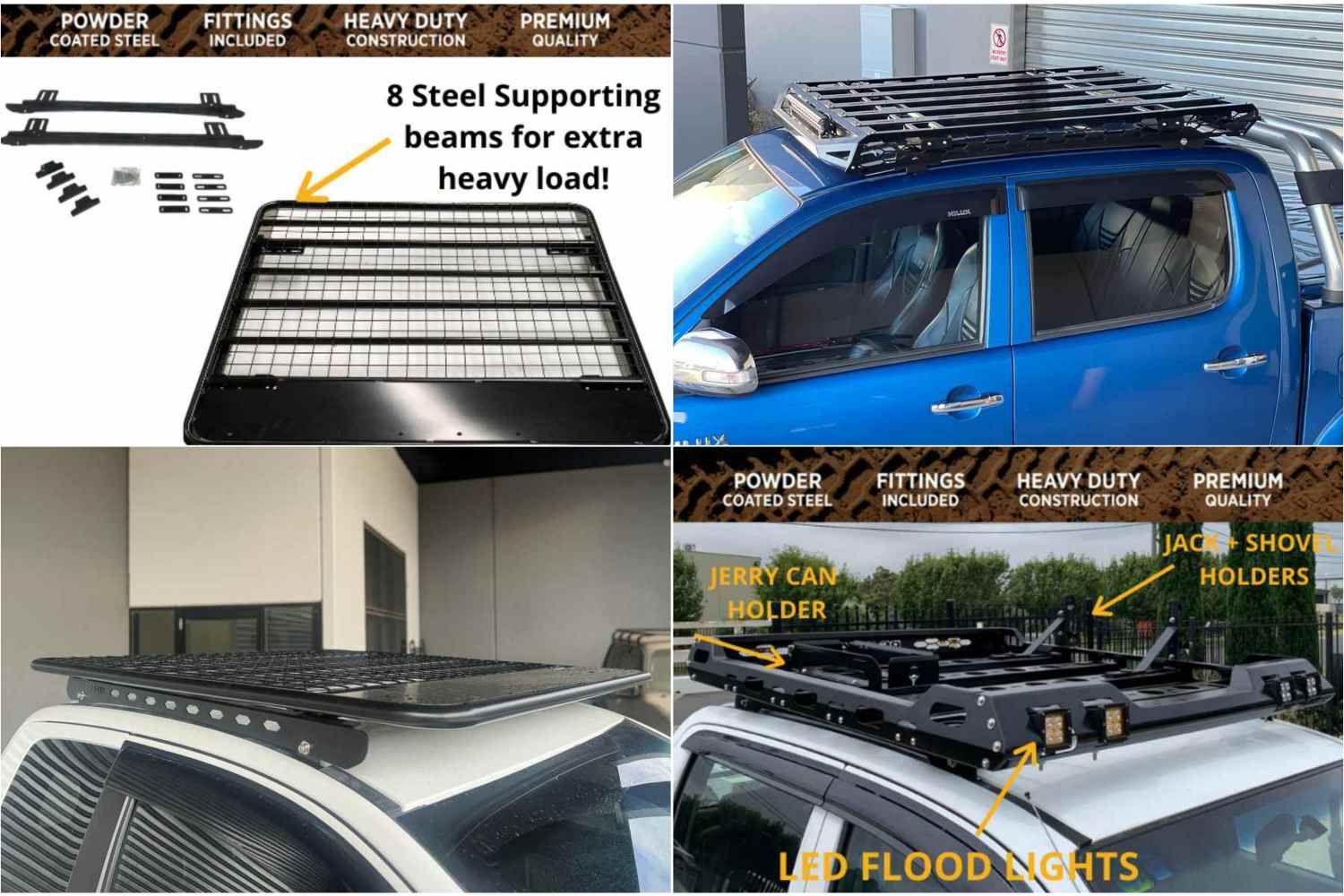
Many drivers begin looking at external options, and a well-fitted flat roof rack often comes up as a flexible solution for transporting bulky gear without rearranging the interior on every trip.
Still, selecting one involves more than picking a size that fits the roofline. The finer details matter, and they tend to shape long-term satisfaction more than first impressions.
How a Flat Platform Design Improves Utility
A flat platform offers a kind of freedom that enclosed baskets rarely match. The absence of raised edges means awkward items can be positioned more naturally, whether that is camping gear, ladders, or oversized equipment. There is less fiddling and fewer compromises when loading.
That said, openness alone does not guarantee practicality. Stability plays a bigger role than most expect. When the platform is engineered with balanced mounting points and a rigid frame, weight distribution feels controlled rather than precarious. On longer drives, this difference shows up in reduced vibration, less rattling, and a generally calmer driving experience.
Vehicle Compatibility and Load Ratings
Compatibility should be treated as a starting point, not an afterthought. Roof structures vary significantly between models, and the mounting system must align with the vehicle’s design rather than forcing a universal fit. Factory rails, bare roofs, and integrated tracks all demand different approaches, and ignoring those distinctions can lead to unnecessary strain on the roof panel.
Also, every vehicle has a ceiling for how much weight it can safely carry above the cabin, and that figure includes both the rack and the cargo. Exceeding it does not just risk structural stress. Handling, braking response, and fuel use can all shift in ways that feel subtle at first, then increasingly inconvenient. Clear dynamic and static load specifications help set realistic expectations and prevent costly mistakes later.
Material Quality and Durability Factors
Material choice tends to reflect how the rack will actually be used. Aluminium is widely favoured because it balances strength with manageable weight and resists corrosion in demanding environments. A protective coating adds another layer of resilience against weather exposure and minor surface damage, which is useful if the vehicle spends time outdoors year-round.
Steel platforms, while undeniably strong, introduce extra weight that can influence fuel consumption and roof load calculations. They suit heavy-duty applications but may feel excessive for lighter, occasional use. It comes down to frequency, terrain, and the kind of cargo being transported. Durability is not just about toughness. It is about suitability.
Aerodynamics and On-Road Performance
Wind noise is one of those concerns people underestimate until the first highway trip. Poorly shaped racks can produce a persistent hum that becomes difficult to ignore. Low-profile designs and integrated wind deflectors help minimise airflow disruption, making daily driving feel far less intrusive.
Aerodynamics also connect to efficiency. Any roof-mounted system introduces drag, but thoughtful engineering reduces the impact. A slimmer front profile and lower mounting height often translate to smoother airflow and a cleaner visual finish, which many drivers appreciate as much as the functional benefits.
Accessory Integration and Future Flexibility
Aerodynamics also connect to efficiency. Any roof-mounted system introduces drag, but thoughtful engineering reduces the impact. A slimmer front profile and lower mounting height often translate to smoother airflow and a cleaner visual finish, which many drivers appreciate as much as the functional benefits.
This extends the rack’s lifespan in practical terms. Instead of adapting your gear to the rack, the system adapts to your routine. That distinction may seem small at first, yet it quickly becomes valuable once travel or work demands shift.
Final Thoughts
Proper installation sets the tone for everything that follows. Even slight misalignment can lead to unwanted noise, uneven load distribution, or water ingress around mounting points. Professional fitting often provides peace of mind, particularly for vehicles with complex roof designs.
Maintenance itself is uncomplicated but worth keeping consistent. Checking fasteners after long trips, cleaning accumulated debris, and inspecting brackets for wear all contribute to sustained reliability. Small checks, done regularly, help preserve both safety and performance while keeping the setup dependable for years of use.